

On this old pitch in the heart of Baku, footballers usually train. But today, an unusual scene unfolds: around twenty men gather in the center with unfamiliar equipment, chatting animatedly in a language unknown to local athletes.
Finishing their practice, the football players can’t take their eyes off what’s happening – everyone is curious to see what comes next. The foreigners quickly split into teams. For a moment, silence. The captains call heads or tails, a coin flips into the air… Tails. The luckier captain now decides the fate of the match: who will bowl and who will bat.
A cricket game is about to begin. And these men are expatriates from Pakistan and India who have been studying or working in Azerbaijan for years, and actively developing cricket here for the past three.
@angrysheri Cricket time in Azerbaijan 🇦🇿#fyp #cricket #babarazam #azerbaycan #cricketlover ♬ original sound - Zoom With Sheri
What is cricket? It’s a bat-and-ball game. One team bowls, the other tries to hit the ball and score runs. Matches are played on a large field, but the main action takes place on a narrow strip in the center. The remaining players – fielders – chase the ball and try to dismiss the batter. The sport originated in England, invented by rural children playing with a stick and a ball.
Ironically, this needs explaining in Azerbaijan – a country that, in the early 1990s, became the first in the Caucasus and one of the first in the post-Soviet space to establish a cricket club.
How cricket came to Azerbaijan
The origins of cricket in Azerbaijan are closely tied to the name Alum Bati, a British lawyer, novelist, and historian. In 1993, he arrived in Baku to open and head the local office of Ernst & Young, later founding his own law firm.
As Bati told Idman.Biz, he played cricket at school and while studying at the University of London, and even joined a club in his twenties. “I hadn't played cricket since then, but when I came to Azerbaijan, I decided to continue. In Baku, I founded the first cricket club in independent Azerbaijan,” he said.
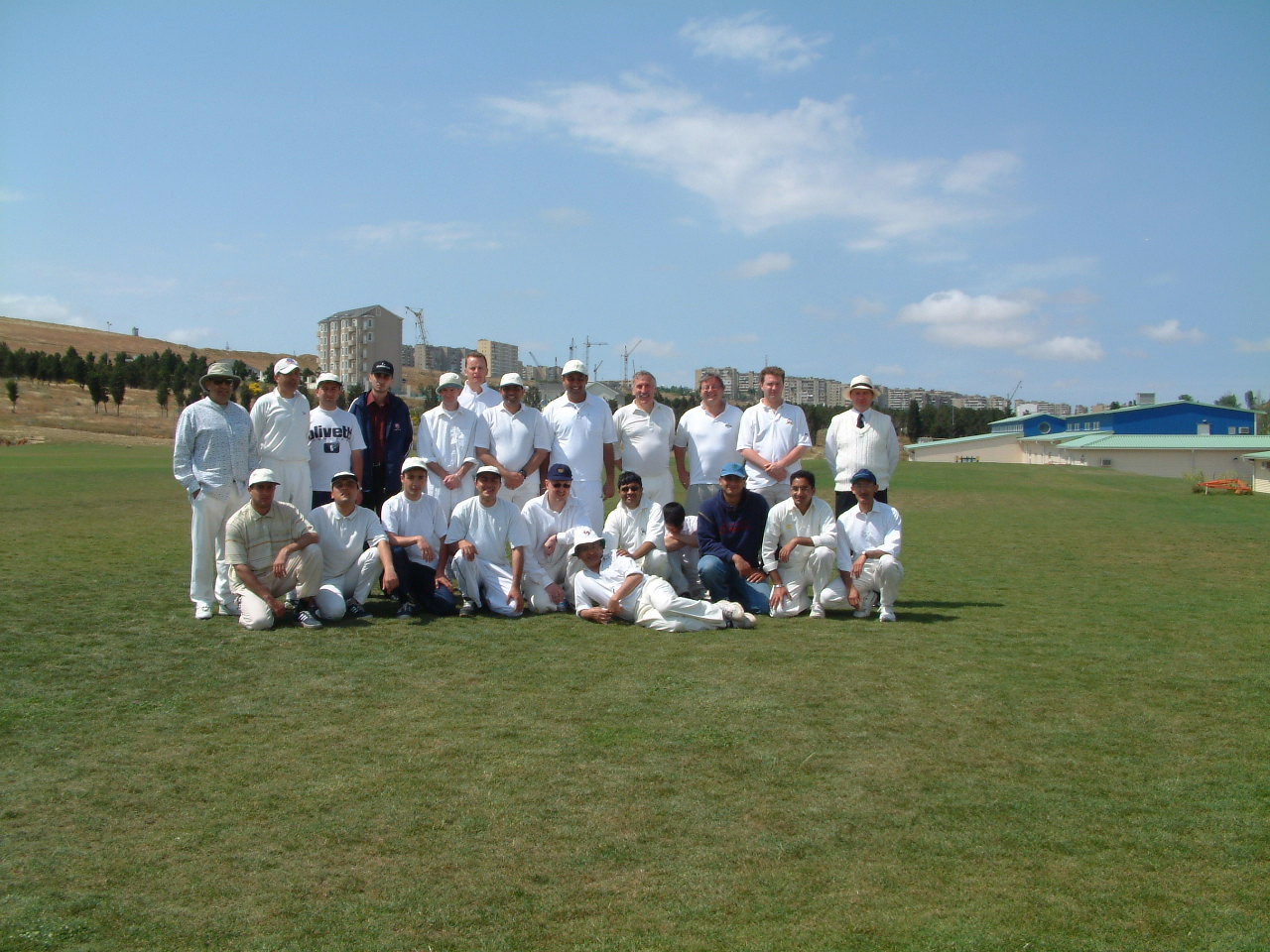
Players of the first cricket club in Azerbaijan. Photo: Alum Bati
One of the club’s co-founders and Bati’s friend, Englishman David Marshall, was working in Baku for the Hyatt Group at the time. Speaking to Idman.Biz, he recalls:
“Alum Bati was Hyatt’s legal adviser, and besides work meetings, we sometimes met for coffee. One day, he said he was thinking of creating – or rather reviving – a cricket club that existed here in the late 19th and early 20th centuries, when Baku was a booming oil hub. That was when many of the city’s Victorian-style buildings were constructed.
Alum wanted to bring sports into his life. And thirty years ago, Baku had very few foreigners apart from Americans working on offshore oil rigs. There wasn’t much to do for us expats.”
Like most English children who grow up with cricket as a school sport, Marshall also loved the game and supported the idea. Soon, Bati and his friends laid the foundation of cricket in Azerbaijan. With the help of several airlines, they shipped cricket gear from Pakistan and an artificial Flicx pitch from the United Kingdom to Baku free of charge.
“Lutfur Kabir, then head of Save the Children (later worked at the UN), and Arif Hashmi, then CFO of Hyatt Regency (later GM of Park Hyatt Baku), helped me a lot,” Bati recalls. “We also had a Dutch Hyatt manager as an active player.”
Azerbaijan’s elite and cricket
Bati soon gathered around him Baku’s foreign elite, as well as Pakistani and some Indian students studying mainly at the Oil Academy. At first, Marshall says, there were very few players – sometimes not even enough for two teams.
“We didn’t have a proper cricket ground,” he recalls. “We played on an old, run-down football pitch in the city center, which we marked with chalk. I vividly remember our first Sunday match. It was cold and windy – even by Baku standards – and not very pleasant to play. A few Azerbaijanis stood around watching us. They must have thought we were mad, chasing a ball with a wooden bat!”
Over time, Bati brought successful Azerbaijani businessmen and foreign diplomats into the sport. The British, Pakistani, and Indian ambassadors became honorary presidents of the club. Pakistan’s deputy ambassador Raja Masud and British ambassador Andrew Tucker were active players.
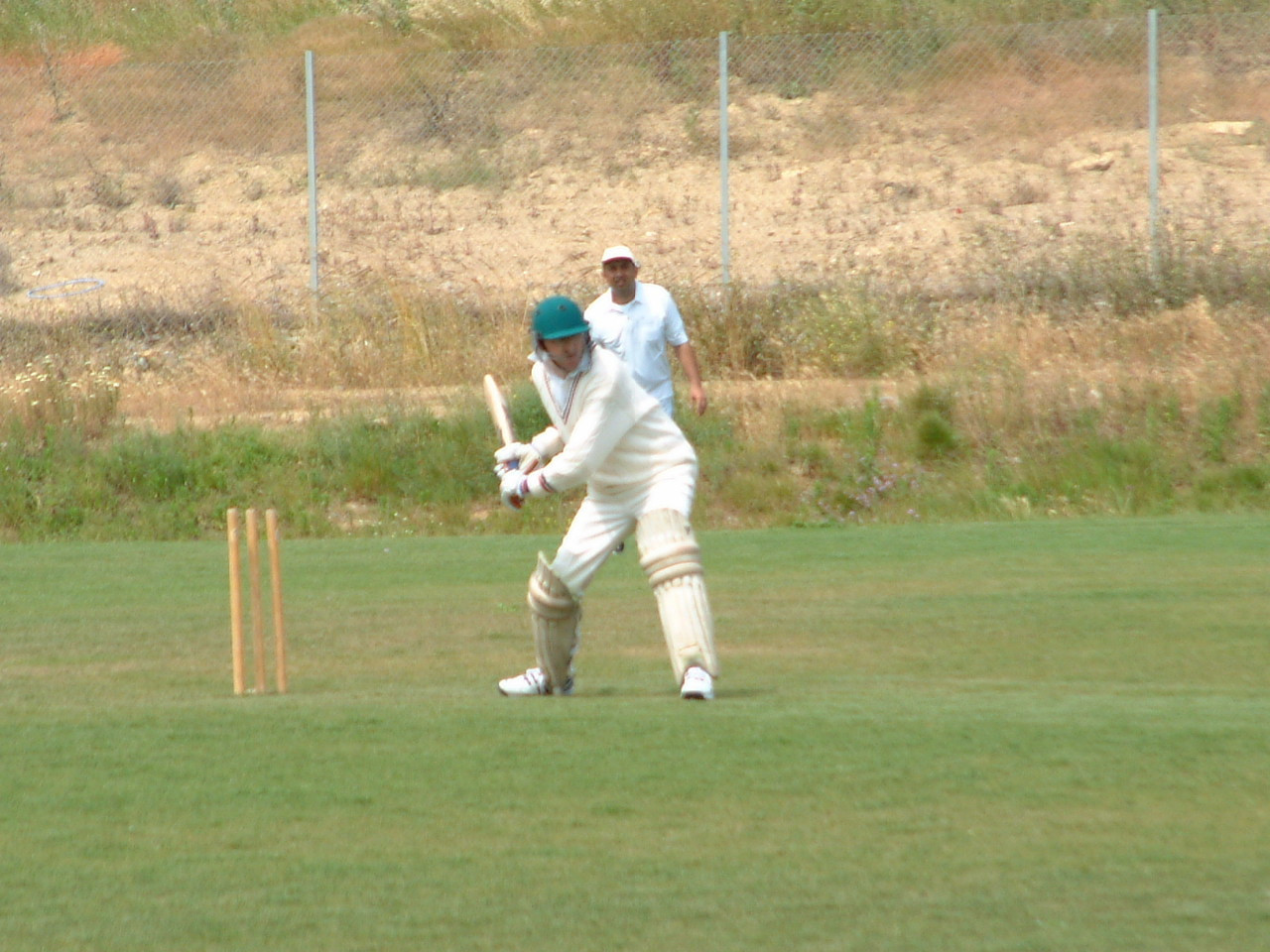
Andrew Tucker, former British ambassador to Azerbaijan, playing cricket. Photo: Alum Bati
“There were very few Azerbaijanis on the team. Two of them now hold senior positions in Baku. I don’t know if they still play,” Bati says.
There was also one woman, an Azerbaijani named Samira. But the first local to join the club was a 13-year-old boy named Emin, coached by Raja Masud and Lutfur Kabir. Bati says Emin remains one of his warmest memories.
Bati shared with Idman.Biz an excerpt from a Wisden publication called Elk Stops Play, edited by Charlie Connelly. It included Bati’s 2000 article for Wisden – the annual publication known as the "bible of cricket":
“He was a natural batsman […] Emin enjoyed playing, but, after six weeks or so he was set upon by a group of youths. He came to training only once after that, by which time he had been transformed from a slim, unimposing figure into a broad-shouldered, tall young man. When I asked where he had been during the previous two months, he replied, ‘I’ve been learning karate.’”
Cricket in Azerbaijan made headlines abroad
Cricket in Azerbaijan steadily grew. Bati and his team moved to a more suitable pitch and held tournaments – not only in Baku but once even in Guba. Foreign media, including the BBC, began writing about Azerbaijani cricket – all thanks to Bati’s efforts.
The International Cricket Council (ICC) also mentions Azerbaijan in its archives, noting that its European Development Program supported the Baku club. A 2002 article in the now-defunct Azerbaijani newspaper Eсho quoted the European Cricket Council (which ceased operations in 2010): “Azerbaijanis have learned a great deal in a short time, and their talent and enthusiasm could take them to international championship level.”
Buoyed by this progress, Bati sought official recognition in Azerbaijan to establish a professional team. “If I recall correctly, in 2001, we applied to the sports minister to be registered as a federation. That would have allowed us to receive coaching and support from the Asian Cricket Council. Unfortunately, we were rejected because we had only one club.”
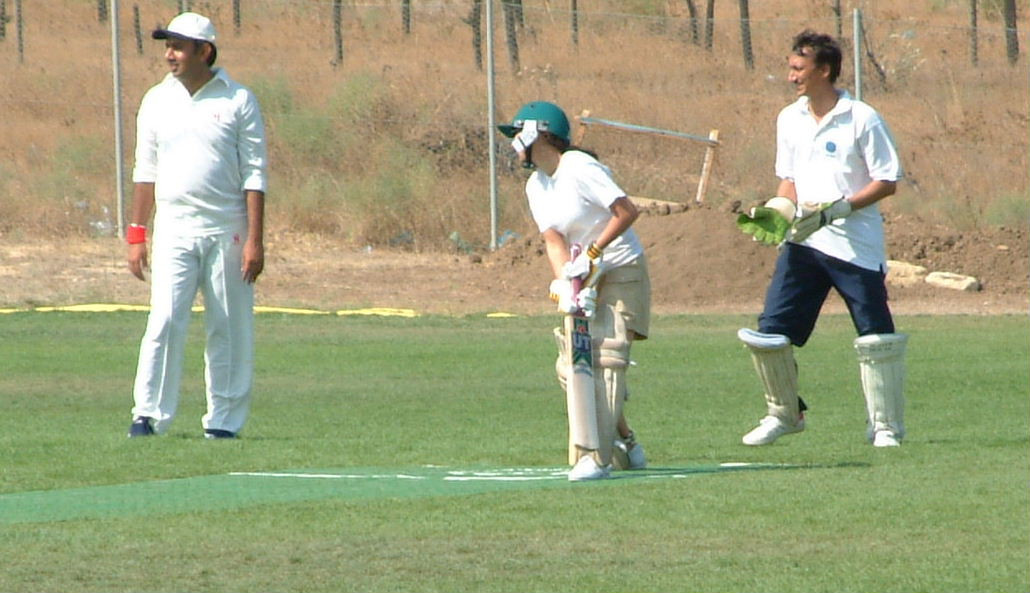
Samira, the only girl to play cricket in Azerbaijan. Photo: Alum Bati
Cricket’s development slowed after Bati stepped back in 2003. A few enthusiasts kept playing, but interest gradually faded. “I left Azerbaijan in 2019. I regret not leaving more behind in cricket. I hoped that one day an Azerbaijani team would play internationally – but perhaps the time just wasn’t right,” Bati says.
He no longer knows what is happening with the sport in Azerbaijan today.
Cricket in Azerbaijan today
David Marshall left Azerbaijan in late 1995 and, for many years, had no idea how the club was doing. But some time ago, he stumbled across the club’s Facebook page and has been following it since. That page belongs to the same group of players we saw at the beginning of this story.
The situation has hardly changed: limited support, no proper ground, and no local players. The club’s revival began three years ago, when Khurram Shehryar and his friend Muhammad Qasim Yousafzai from Pakistan decided to develop the sport in Azerbaijan. They discovered the old Facebook group, and its admin – a man named Peter – handed it over to them. Since then, they have been recruiting new members and have already organized two tournaments in Baku.
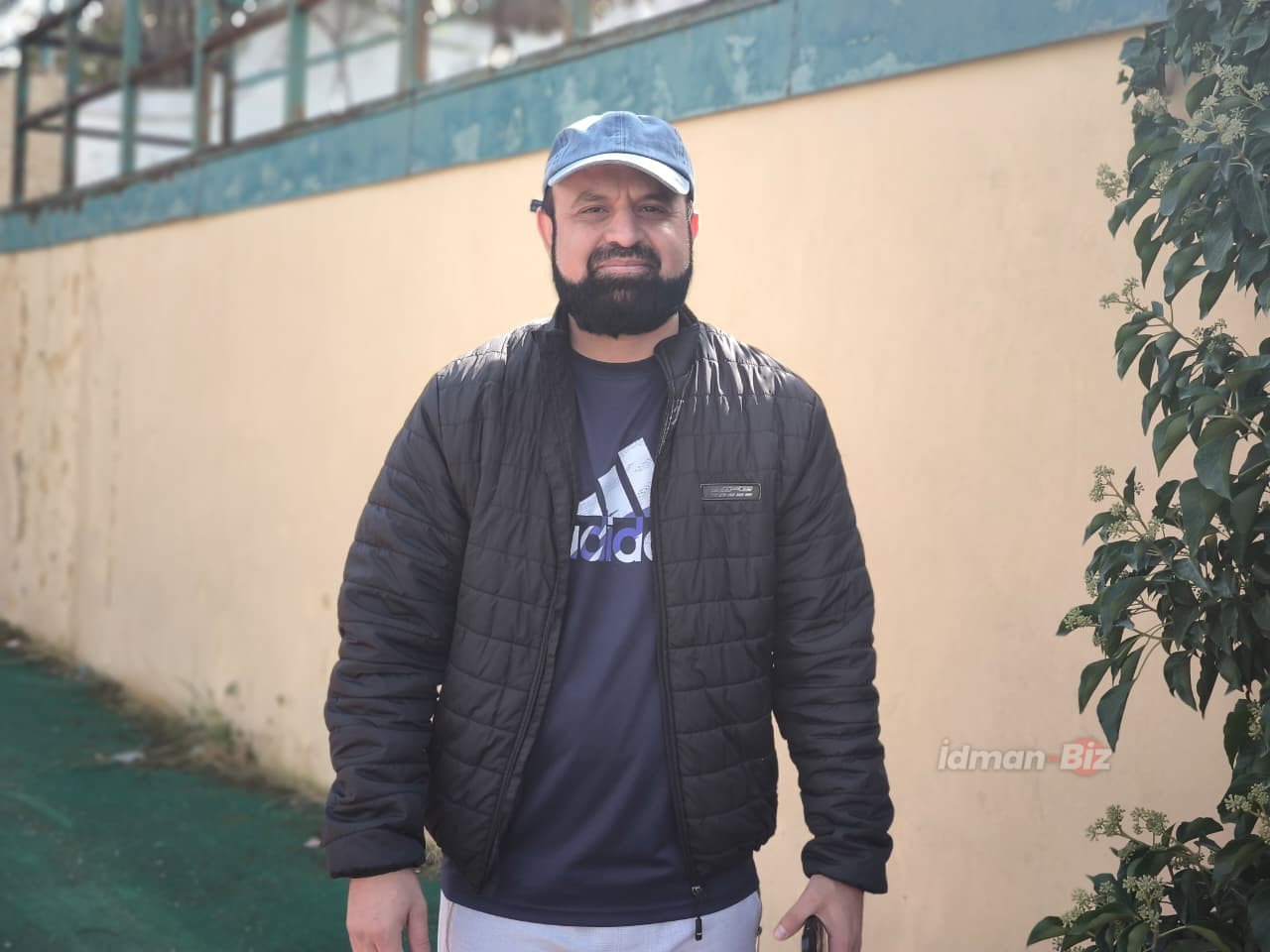
Khurram Shehryar
The club now has more than 50 players, mostly from Pakistan, along with several Indians working or studying in Baku. Most are amateurs, but there are professionals – like Khurram, who previously played club cricket in Sweden and brought equipment for the team.
Muhammad Ahsan Siddiqui from Pakistan, a club member who speaks fluent Azerbaijani, told Idman.Biz that cricket is deeply rooted in the cultures of India and Pakistan due to the region’s colonial history.
“We love Azerbaijan and respect local traditions. We would be proud to represent the country internationally. Cricket is an Olympic sport. Neighboring countries have long been developing it – Türkiye and Iran are members of the ICC. We dream of making Azerbaijan known in cricket.”
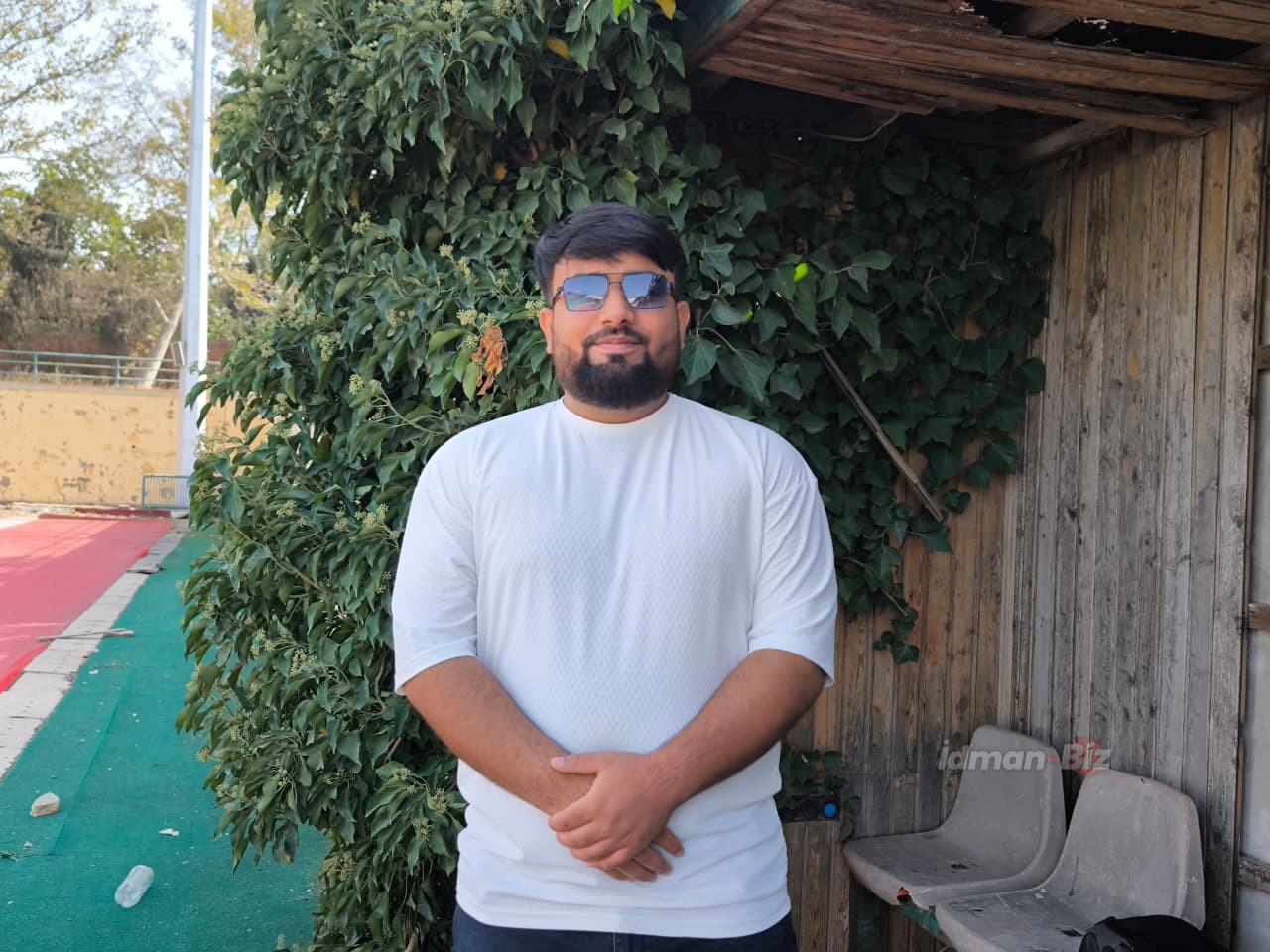
Muhammad Ahsan Siddiqui
Harsha Vardan, a student from India, also hopes to compete under Azerbaijan’s flag: “I used to play professionally. When I came here to study, I reached out to the guys and joined the club. We play almost every week. I would be thrilled to represent Azerbaijan internationally.”
However, Siddiqui says achieving these goals requires state support: “We contacted the ICC, and they told us they would be ready to help once a national cricket federation was established in Azerbaijan.”
Khurram Shehryar adds that players pay for the pitch out of pocket and urgently need better infrastructure and sponsorship. They are also trying to attract local players, though it remains a challenge.
David Marshall believes cricket can still thrive in Azerbaijan: “Why not? But the membership base needs to grow. There must be expats from the UK, Australia, or New Zealand in Baku who would want to play. The club should reach out to them. As for locals – it's hard to predict, but worth trying.”
Idman.Biz invites anyone interested to discover the sport. Those wishing to join can contact the club through its Facebook page.
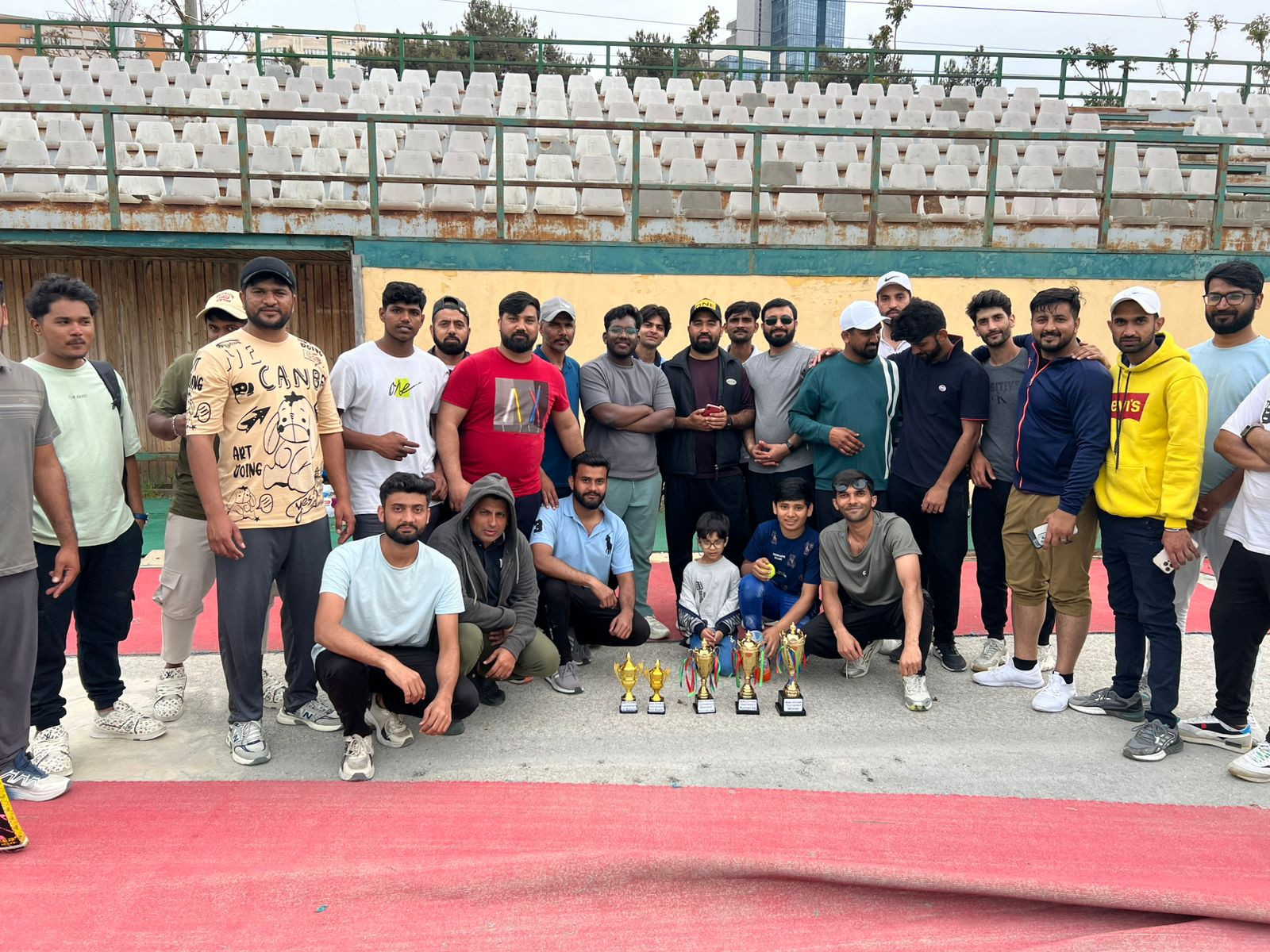 Photo: Khurram Shehryar


