

The 2026 FIFA World Cup continues to surprise the football world. While some favourites are making shocking early exits, others are strengthening their claims for the title with every match.
This time, İdman.Biz covered the Round of 32 clash between Norway and Ivory Coast from inside the stadium.
Even before kick-off, it was obvious which team felt at home. Long queues of supporters wearing the famous Viking helmets immediately identified the Norwegian fans. Their distinctive look has become so recognizable that even people who do not closely follow football would probably know who they were supporting.
The atmosphere outside the stadium was noticeably different from the Argentina vs Jordan match previously. While Argentine supporters had turned the area around the arena into a huge street festival hours before kick-off, Norwegian fans headed almost immediately inside the stadium to take their seats.
They saved their energy for the match itself. From the opening minutes, the stadium echoed with Norway's traditional "rowing" celebration. Thousands of supporters synchronised their arm movements to imitate rowing a Viking ship. It started with a relatively small organised supporters' section, but their chants quickly spread throughout the stadium. By the closing stages, thousands of fans across several stands had joined the performance. The Norwegians also impressed with numerous choreographed chants accompanied by coordinated hand gestures.
Ivory Coast supporters were impossible to miss as well. Their bright orange colours stood out immediately in the stands. Although they lacked the same level of organisation as the Norwegian fans, their passion for their national team was no less sincere. That shared devotion to football is what unites supporters regardless of nationality.
There was, however, one thing that united the entire stadium even more. Every hydration break introduced by FIFA at this World Cup was met with loud frustration from the crowd. Whenever the referee stopped play, boos spread around the arena. Many spectators stood up, while others used the opportunity to buy food or drinks. For a few moments, the rhythm and emotion of the match disappeared before quickly returning once play resumed.
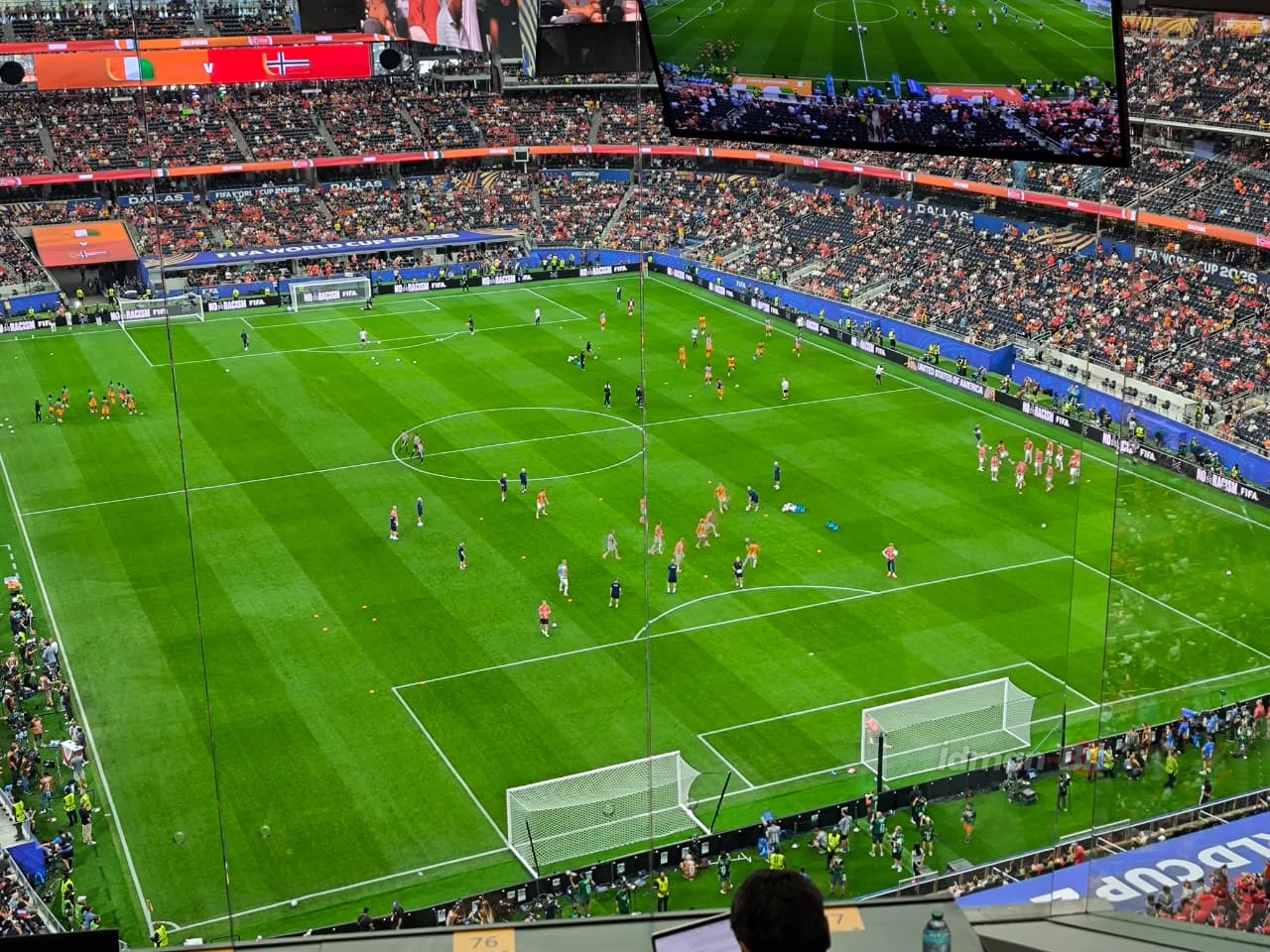
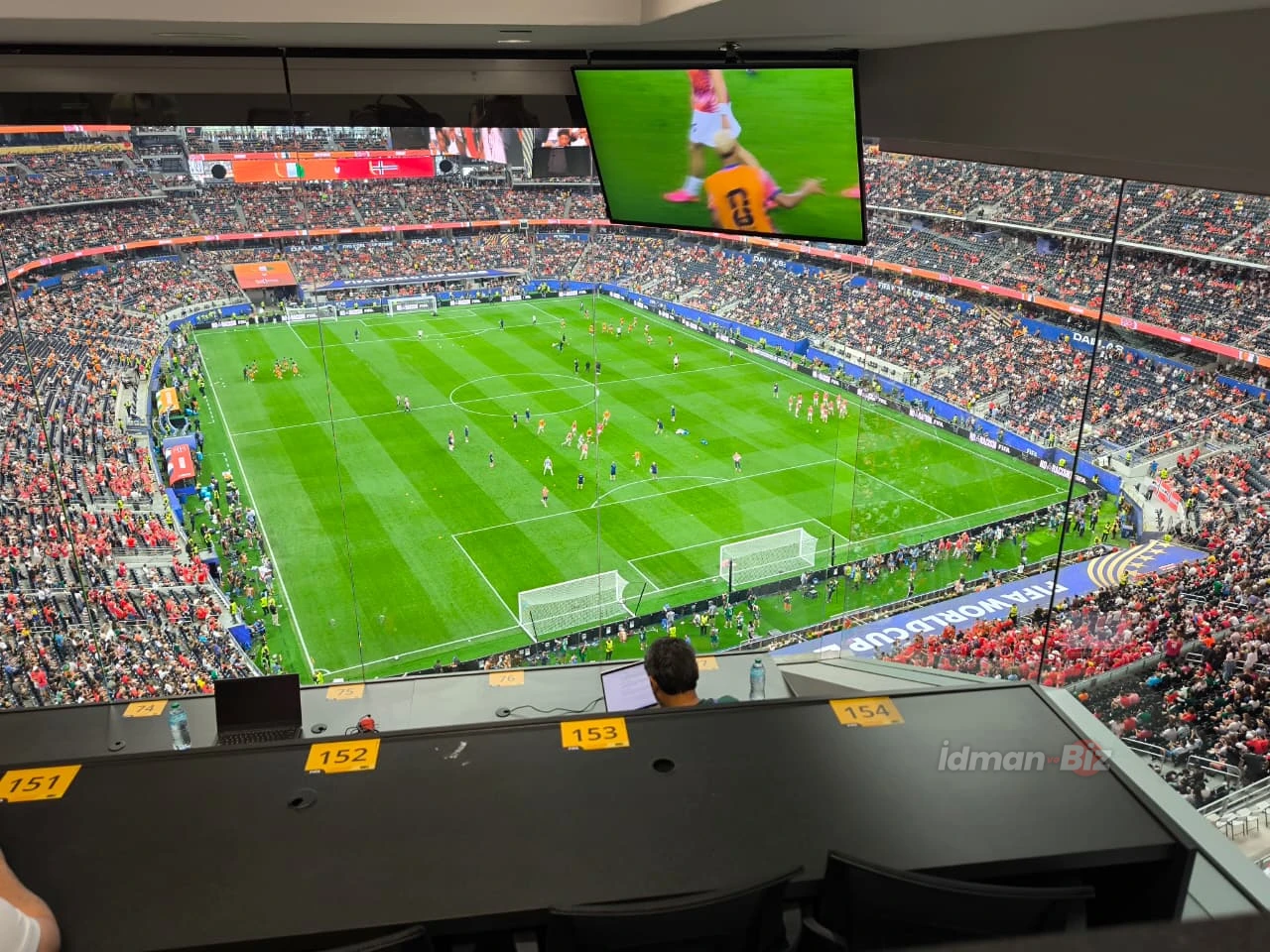
The press tribune was far from quiet either. It seemed that many neutral journalists without direct ties to either Norway or Ivory Coast were quietly cheering for the African side. Ivory Coast's equaliser was greeted with applause from several members of the media.
Journalists themselves form a unique part of the World Cup atmosphere. Experienced reporters covering their sixth or seventh World Cup work alongside newcomers attending their first tournament. Some still take notes in paper notebooks, while others rely entirely on digital devices. One noticeable feature is that male journalists still significantly outnumber their female colleagues, although that balance may continue to change in future tournaments.
For the media, however, the World Cup is much more than simply another assignment. Reporters celebrate goals, take photographs outside iconic stadiums and passionately discuss matches with one another. For many of them, covering a World Cup is as much a dream as playing in one is for footballers. They often know the careers and stories of players in extraordinary detail, preserving those moments for football history.
After the final whistle, the supporters continued to experience the emotions of victory and defeat, while the journalists' work was only beginning. Press conferences, the mixed zone and writing match reports all awaited them.
During this tournament, the mixed zone has repeatedly proven to be the place where a team's true mood is revealed. This match was no exception. Most reporters waited for Norway's players to appear, but the interview process was very different from the USA vs Turkey match previously. On that occasion, journalists asked questions largely on a first-come, first-served basis, with volunteers handing out microphones. This time, a Norwegian media representative personally controlled the entire process, deciding who would receive a microphone. Priority was given to Norwegian journalists, while only a handful of foreign reporters were allowed to ask questions at the end.
The same approach continued in the mixed zone corridors. Most Norwegian players stopped first for journalists from their own country, while English-language reporters were frequently left without comments. The reserved Scandinavian mentality was clearly noticeable.
The Ivory Coast squad, meanwhile, declined all interview requests. Every player walked through the mixed zone without stopping to speak to the media.
Norway's biggest star, Erling Haaland, also continued straight through. Still, whenever he heard his surname being called from different directions, a smile appeared on his face.
Another journey into two very different football cultures had come to an end. Once again, the World Cup demonstrated that while countries, languages and traditions may differ, football continues to unite people around the world. And with the tournament gathering momentum, it seems certain that even more unforgettable stories are still to come.


