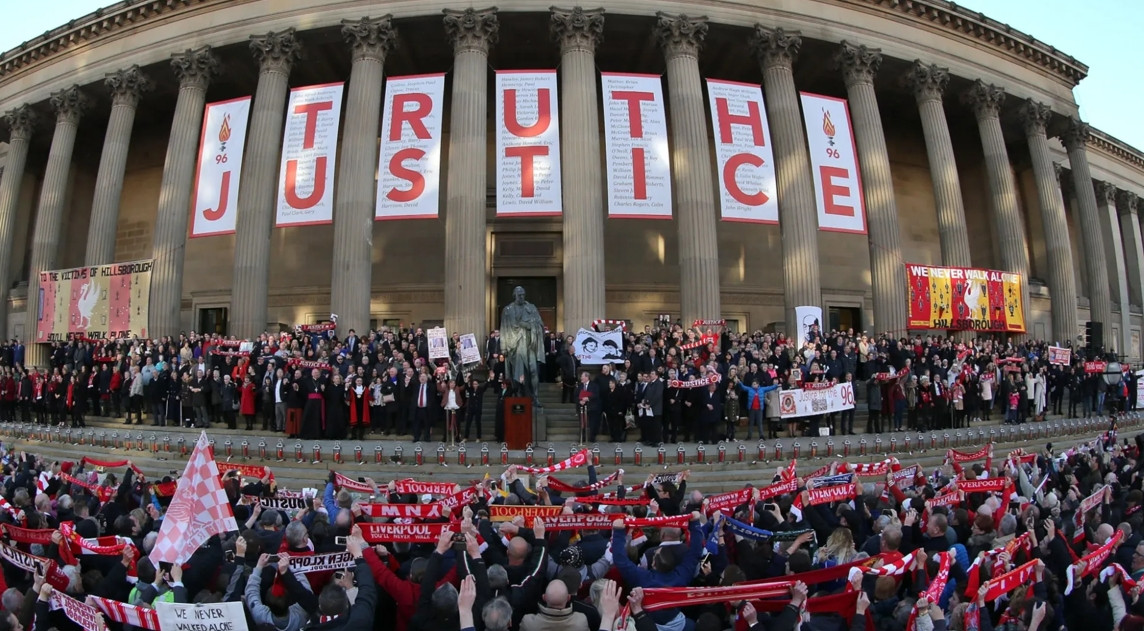

On April 15, 1989, the FA Cup semi-final between “Liverpool” and “Nottingham Forest” at “Hillsborough” Stadium in Sheffield became far more than a sporting event, turning into a symbol of institutional failure, years of cover-ups and a relentless search for justice.
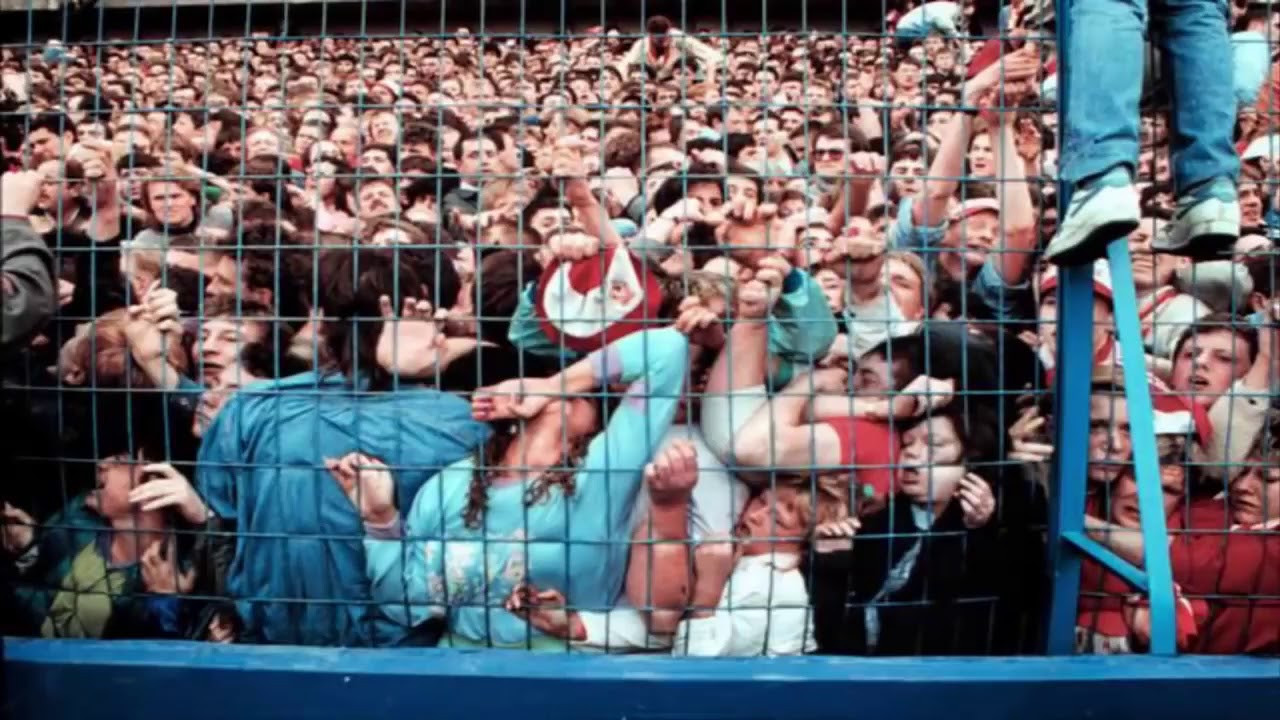
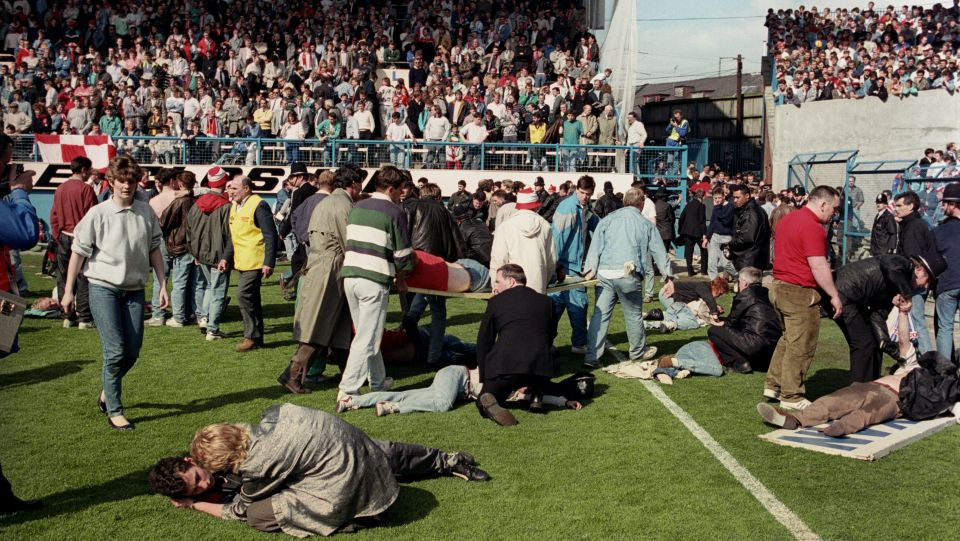
That day, a fatal crush in the “Leppings Lane” stand initially left 96 fans dead. However, in 2021 it was officially confirmed that Andrew Devine had died as a result of injuries sustained that day, bringing the death toll to 97.
According to Idman.Biz, the central issue was the collapse of control in the section allocated to “Liverpool” supporters. Official investigations later concluded that the disaster was not caused by fan behaviour, but by police failure, inadequate turnstiles, flawed safety barriers and the decision to direct spectators into already overcrowded central pens.
In 2012, a statement in the UK Parliament saw David Cameron recall the key findings of Lord Taylor’s report, identifying the main cause of the tragedy as a “failure of police control”.
For years, the public was misled about the events. In the immediate aftermath, parts of the media, particularly “The Sun”, claimed that fans were drunk, violent and responsible for the disaster. Later parliamentary discussions and the findings of the “Hillsborough Independent Panel” revealed that this narrative had been reinforced by false or distorted information provided by police and officials. Documents released in 2012 showed that 164 police statements had been significantly altered, while criticism of the operation was removed from 116 statements.
This is why “Hillsborough” is not only a stadium disaster, but also a story of delayed truth. The 2012 report clearly established that supporters were not to blame and confirmed many of the claims made by victims’ families over the years. It also highlighted serious shortcomings in emergency response, suggesting that more effective action could have saved lives.
A major legal turning point came in 2016, when a new inquest ruled that the victims were “unlawfully killed”, overturning the original verdict of accidental death. The jury also confirmed that fans did not contribute to the tragedy. While this was a moral victory for families, questions of legal accountability remained unresolved.
Subsequent criminal and disciplinary proceedings failed to deliver the expected outcomes. According to the IOPC, six individuals were charged in 2017. Match commander David Duckenfield faced gross negligence manslaughter charges but was acquitted in 2019. “Sheffield Wednesday” safety officer Graham Mackrell was fined for breaches of safety regulations, while other cases were discontinued or dismissed.
Despite this, the impact of “Hillsborough” on football has been profound. Lord Taylor’s recommendations, particularly the move towards all-seater stadiums, led to sweeping changes in safety standards across England. The tragedy fundamentally reshaped how football matches are organised, how stadiums are designed and how crowds are managed.
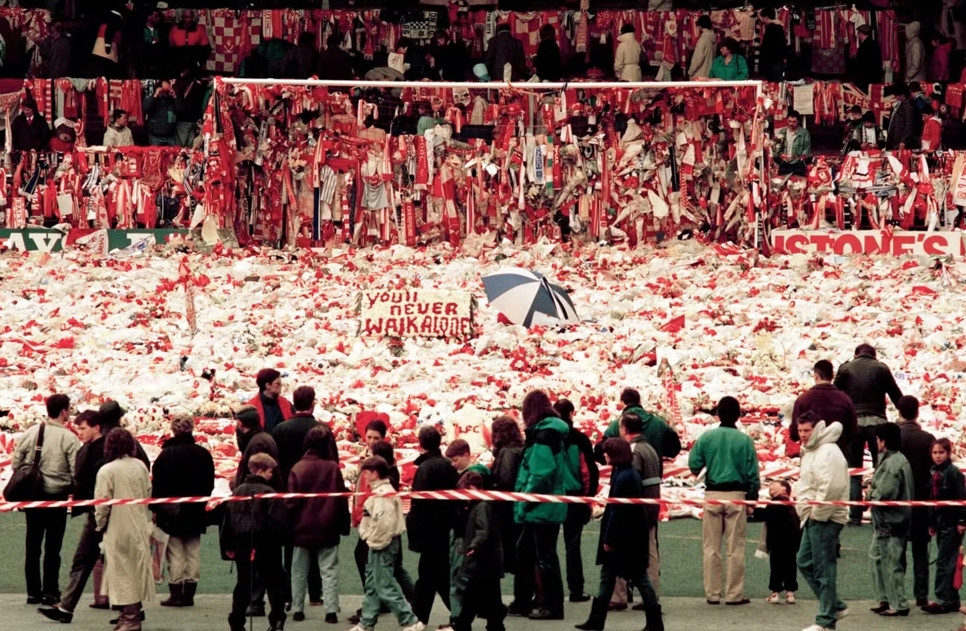
Today, “Hillsborough” is remembered not just as an abandoned match in 1989, but as the loss of 97 lives, a decades-long fight for justice and a lesson in how institutions, media and the legal system respond in times of crisis. Few events in football history have had such a lasting impact on both collective memory and the legal and moral landscape.