

Football is often linked with Christmas through one of the most romanticized stories of World War I — the legend of a match played between British and German soldiers during the Christmas Truce.
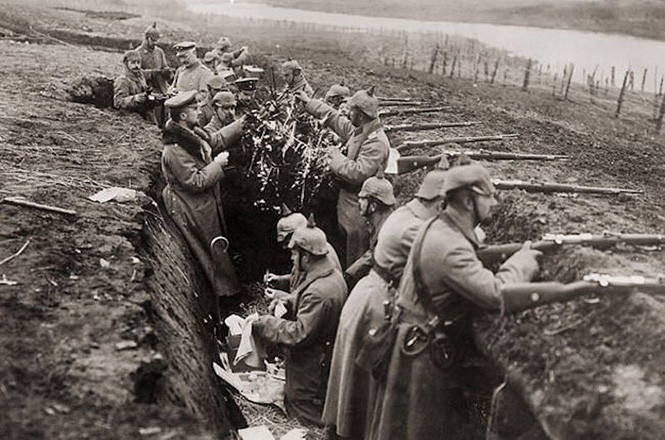
As reported by Idman.Biz, historical documents confirm the very fact of the Christmas Truce. On the initiative of Pope Benedict XV, although unofficially, silence fell along parts of the Western Front on the evening of December 24, 1914. Soldiers exchanged gifts and cigarettes, helped bury the dead and even decorated their trenches with Christmas trees and lanterns. These events were particularly visible in Flanders, as documented by the Imperial War Museums in the United Kingdom and in studies by historian Malcolm Brown.
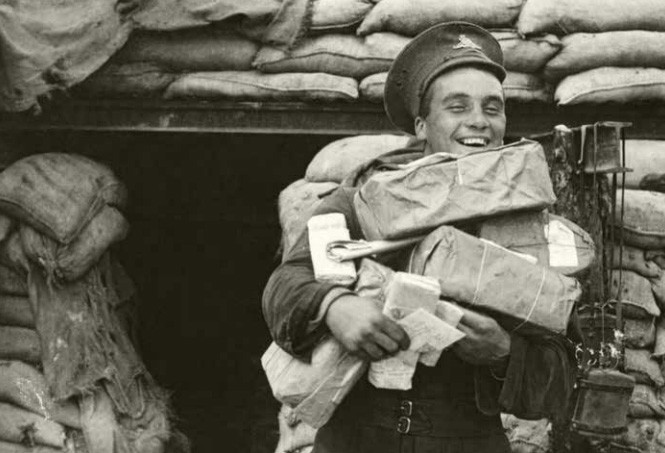
At the same time, the truce was not universal. Fighting continued in certain sectors of the фронт, and military commanders feared that such fraternization could undermine discipline and combat morale.
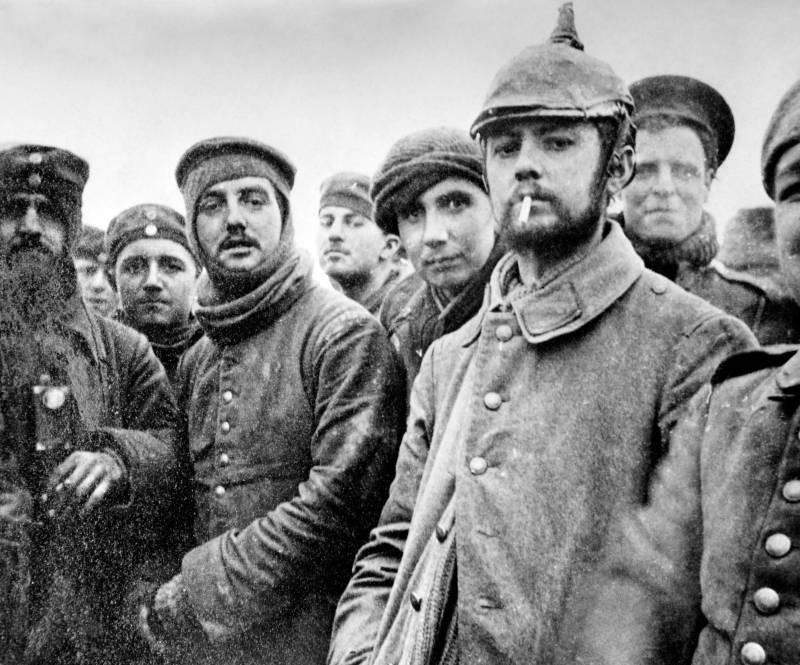
The most famous story connected to the Christmas Truce is the alleged football match between British and German soldiers, said to have ended 3:2. While soldiers’ letters do mention conversations about playing football, there is no reliable evidence that an organized match between the opposing sides actually took place. Historian Simon Cons notes that most accounts of football during the truce are based on second- or third-hand reports. Surviving photographs show soldiers posing together, but not playing football. Moreover, one image taken in Salonika was later mistakenly attributed to events in Flanders.
In addition, British officer Peter Jackson, who wrote a letter to The Times in January 1915 describing a football match with German soldiers, later admitted that his account had been fabricated.


