

Climbing walls, worn-out surfaces, graffiti-covered walls and AC/DC playing in the background – this is the atmosphere at the Azerbaijan Sport Climbing Championships, where athletes are competing not only for national titles but also for the future of a sport still struggling to establish itself in the country.
As reported by İdman.Biz, the competition began with the women's events, with participants preparing in different ways – some practicing yoga, others warming up their joints or simply hanging from pull-up bars.
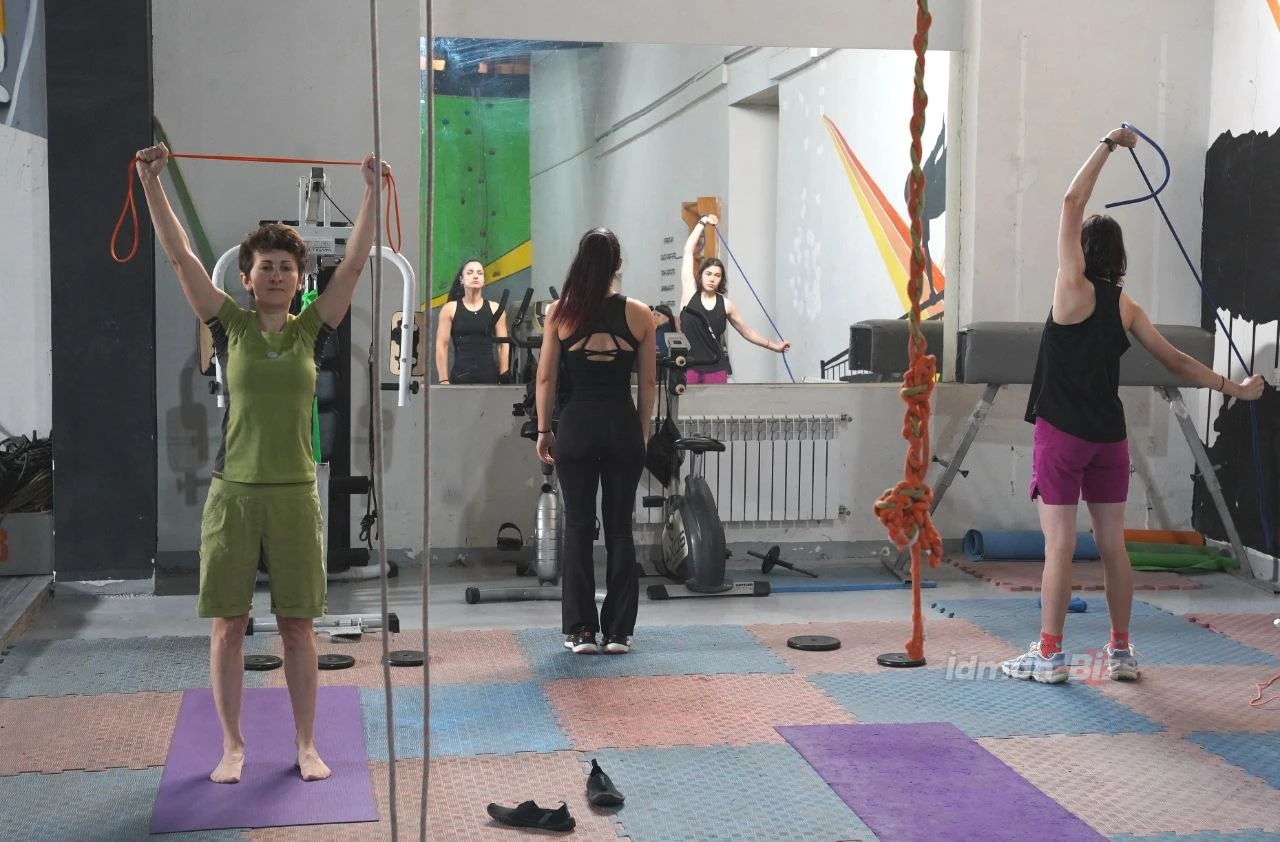
The championships feature two disciplines: lead climbing and bouldering. However, behind the excitement of the competition lie several challenges that continue to limit the development of sport climbing in Azerbaijan.
One of the participants, 41-year-old Sabina Nakhmetova, has been involved in climbing for 20 years but still considers herself an amateur.
She discovered the sport by chance after watching a colleague train on natural rocks.
"I found it fascinating because I didn't even know climbing existed in Azerbaijan. I had only seen it on television," she recalled.
Although Nakhmetova works in information technology, she has spent two decades supporting the development of climbing in the country.
"I'm here to support this celebration of sport. It makes me happy to see young faces climbing, enjoying themselves and showing what they can do," she told İdman.Biz.
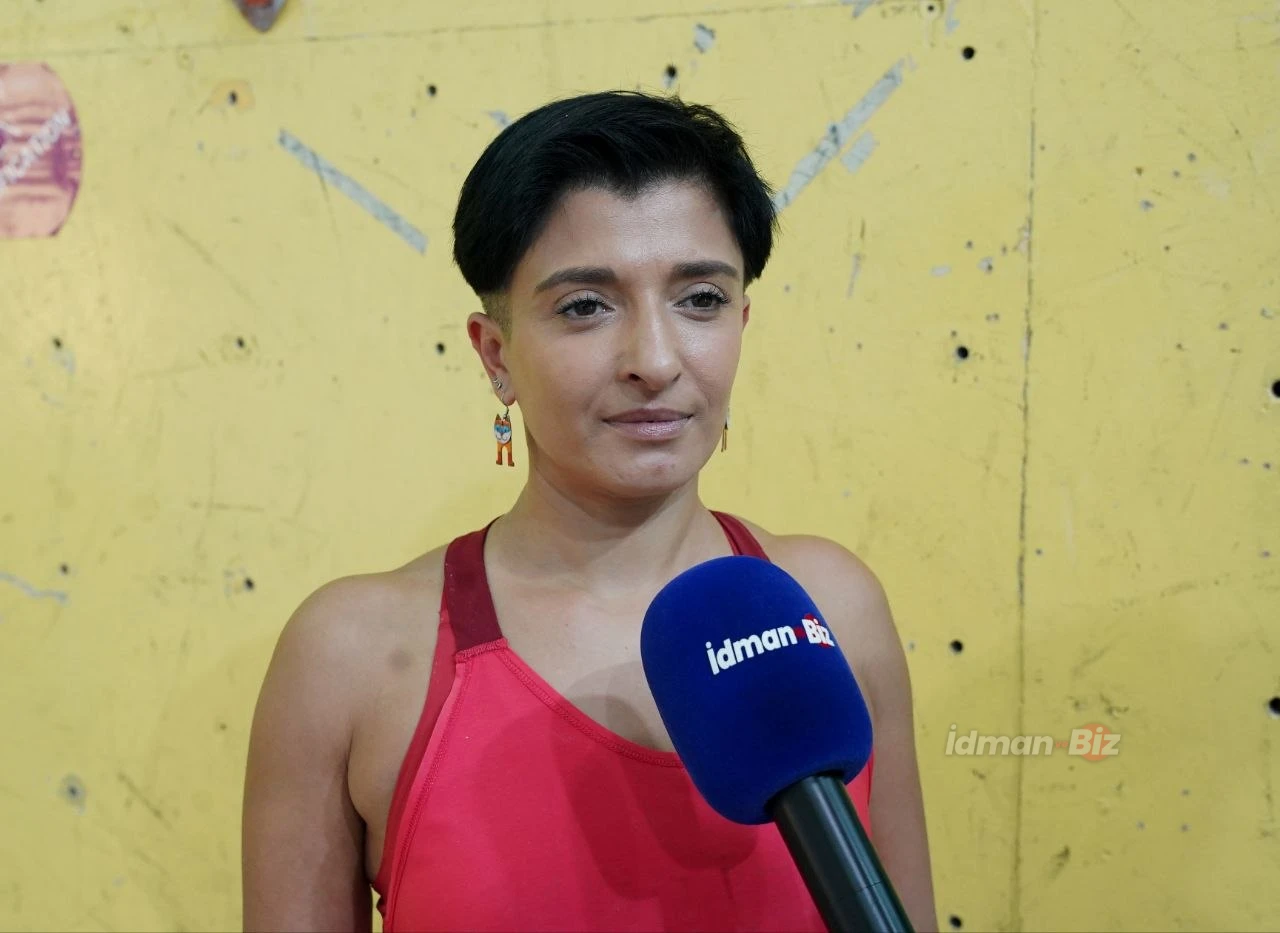
However, she believes Azerbaijan still faces considerable difficulties in developing elite-level competitors.
"At this stage, we can produce internationally competitive athletes at junior level, but I'm not so sure about the senior category," she admitted.
A shortage of qualified coaches
Azerbaijan national team member Sima Safarova, 36, identifies the lack of professional coaching expertise as one of the sport's biggest problems.
According to her, experienced athletes are largely responsible for passing their knowledge on to younger generations, often without sufficient specialist support.
"I can't say we have a coach of the appropriate level who could take full responsibility for preparing the national team. We, the former athletes, try to teach the younger generation. But everyone reaches a certain level and then stays there. There is no further progress," Safarova explained.
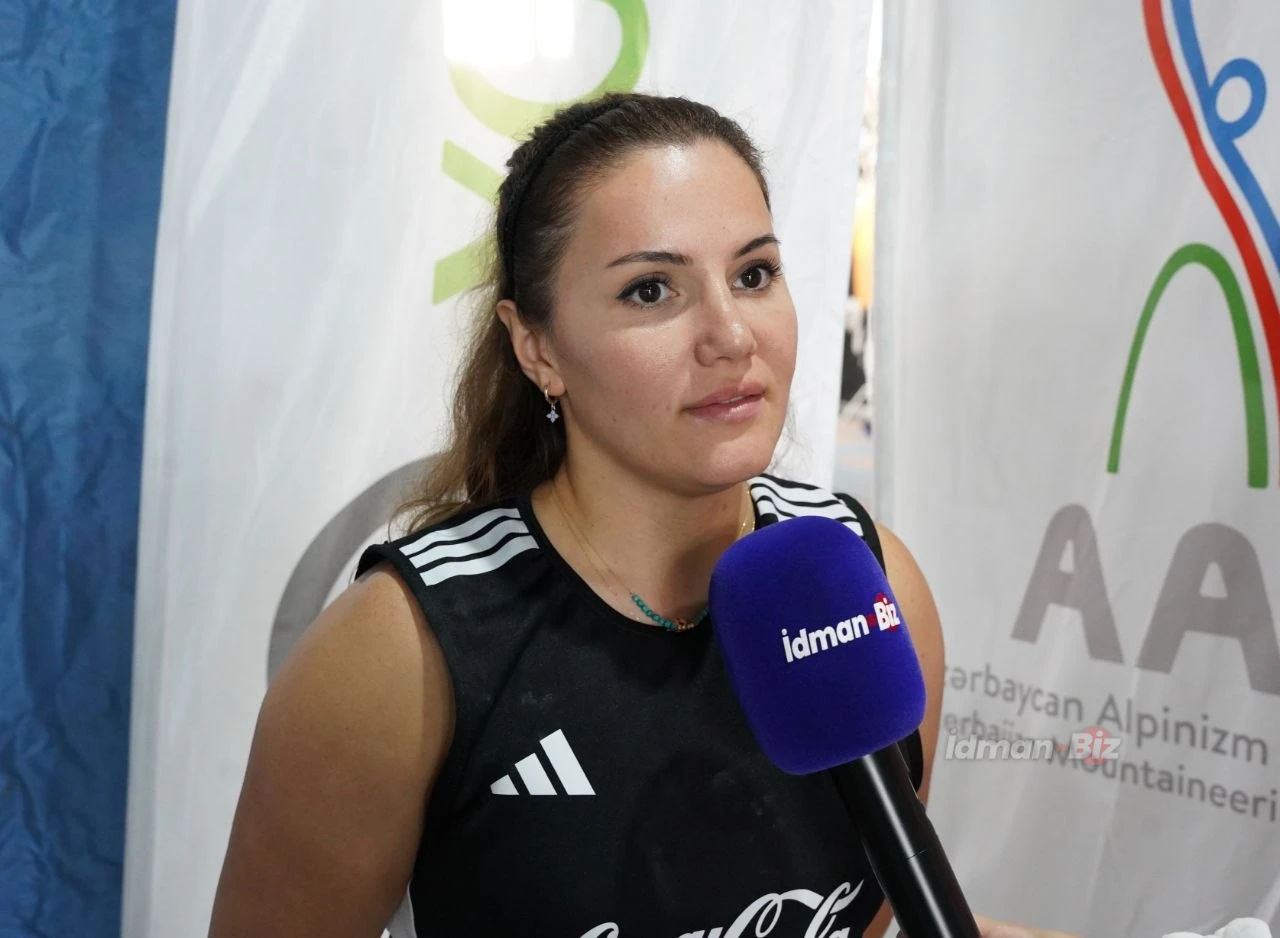
She recalled that when she started climbing 16 years ago, a coach from Turkey had been invited to Azerbaijan to establish the foundations of professional training.
Today, many of his former students are trying to pass on what they learned.
Despite these difficulties, Safarova believes the sport is gradually recovering after a prolonged period of stagnation.
Azerbaijan previously hosted stages of the Sport Climbing World Cup in 2013 and 2014, but development subsequently slowed.
According to Safarova, the federation has recently become more active in involving athletes in organizational activities, with the first positive results already visible.
"I think the current team has already achieved noticeable results. Even the Ministry of Youth and Sports can confirm that we are organizing events and the number of athletes is increasing. Development is already evident," she said.
Only one climbing gym in Azerbaijan
Infrastructure remains another major obstacle.
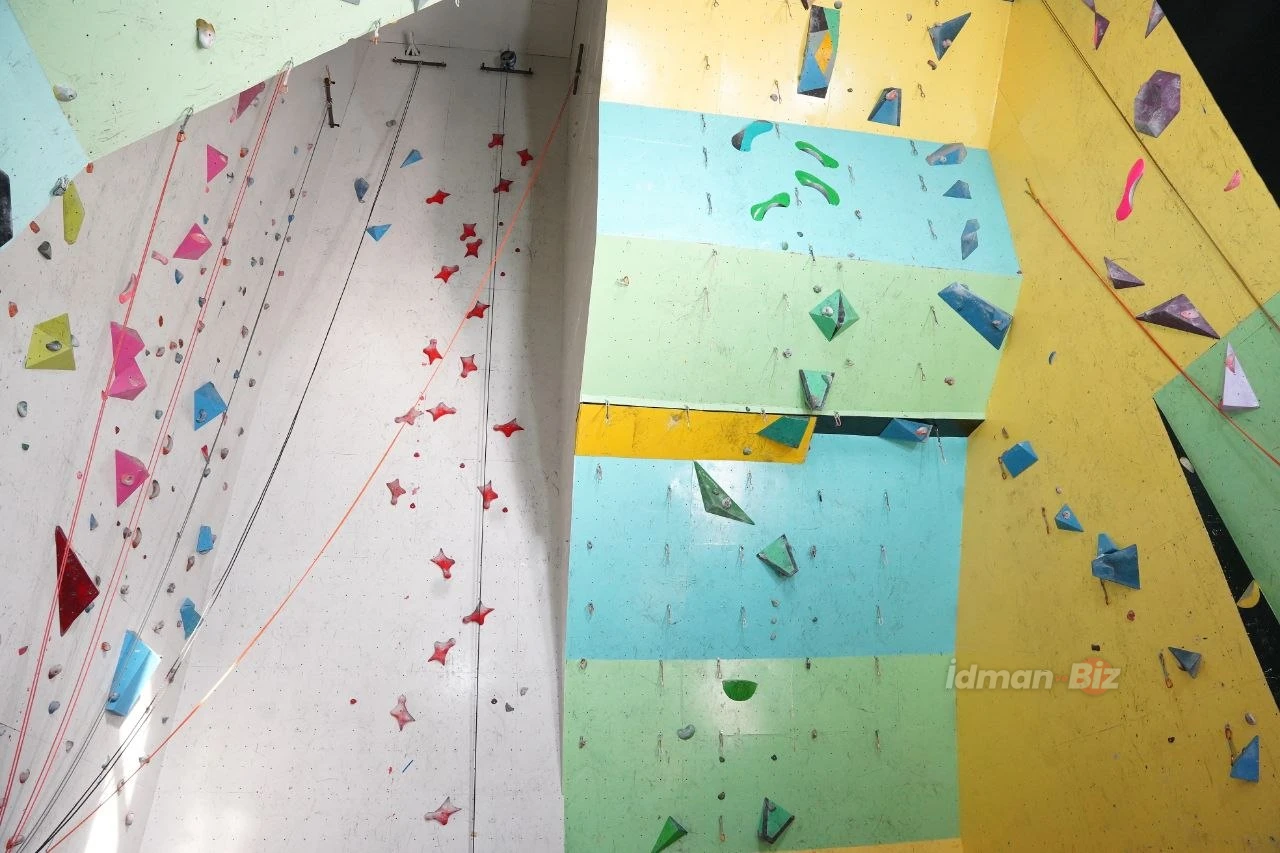
According to the athletes, Azerbaijan currently has only one dedicated climbing gym, and its facilities require substantial modernization.
The venue also lacks a suitable wall for speed climbing, meaning the national championships can only be held in lead climbing and bouldering.
Safarova explained that the federation is gradually purchasing new equipment, but a complete renovation of the facility remains beyond its current capabilities.
Another difficulty is the limited variety of climbing routes.
Athletes need regularly changing routes to develop problem-solving skills and adapt to unfamiliar challenges. Without such changes, even experienced climbers can struggle to improve.
"When you climb the same routes repeatedly, you eventually memorize them like the way home. Your skills don't develop because you learn a specific set of movements for that route. But when you face something new, you get lost because you haven't had the opportunity to practice different movements," Nakhmetova explained.
The consequences become particularly evident at international competitions, where athletes must tackle unfamiliar routes.
"Training in our gym makes it impossible to achieve high results at international competitions," Safarova said.
She added that senior Azerbaijani climbers currently participate in international events primarily to gain experience and share their knowledge with younger athletes rather than to compete for medals.
Attracting and retaining young athletes
Another challenge is the relatively small number of children entering the sport at an early age.
Chingiz Taghizade, a 33-year-old climbing coach, championship participant and sport climbing manager at the Azerbaijan Mountaineering Federation, believes the main difficulty is not attracting children but keeping them interested.
Nakhmetova agrees, noting that climbing competed with fewer entertainment options when she started two decades ago.
"Back then, we didn't even have a climbing gym. There were only natural rocks, and that had its own romance. Now everything has changed, and people don't stay in climbing for very long," she said.
However, she has noticed that more parents are bringing their children to climbing sessions as an alternative to spending time on smartphones.
"If a child enjoys it, they can become an athlete. The most important thing is that they genuinely love the sport," she added.
Taghizade believes that developing climbing facilities outside Baku would help attract more children and encourage long-term participation.
He also emphasized that climbing offers benefits extending beyond physical fitness.
"I would even call it an intellectual sport. It's not just about arm strength and physical preparation – thinking is equally important," he explained.
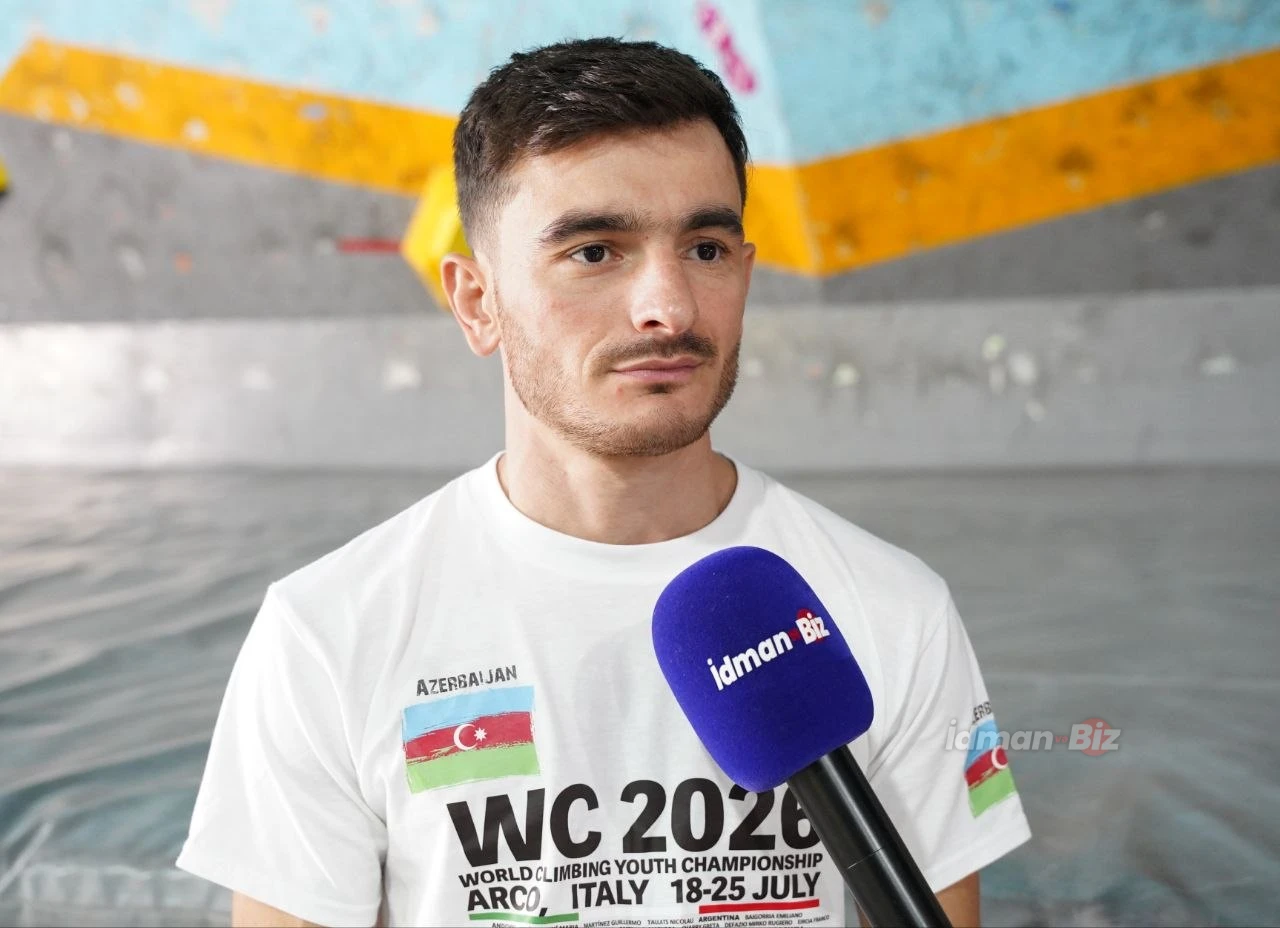
According to Taghizade, training sessions at their climbing gym are free of charge. The facility operates every day except Monday, and anyone interested can contact the coaches to try the sport.
He believes greater public awareness could help climbing gain popularity in Azerbaijan.
"If parents watched competitions in Europe, they would see how many spectators even small climbing events attract and how much interest they generate. They might then appreciate the beauty of this sport and perhaps bring their own children to try it," Taghizade concluded.
Despite the challenges, the national championships demonstrate that Azerbaijan still has a dedicated climbing community determined to rebuild the sport and create better opportunities for the next generation.


