
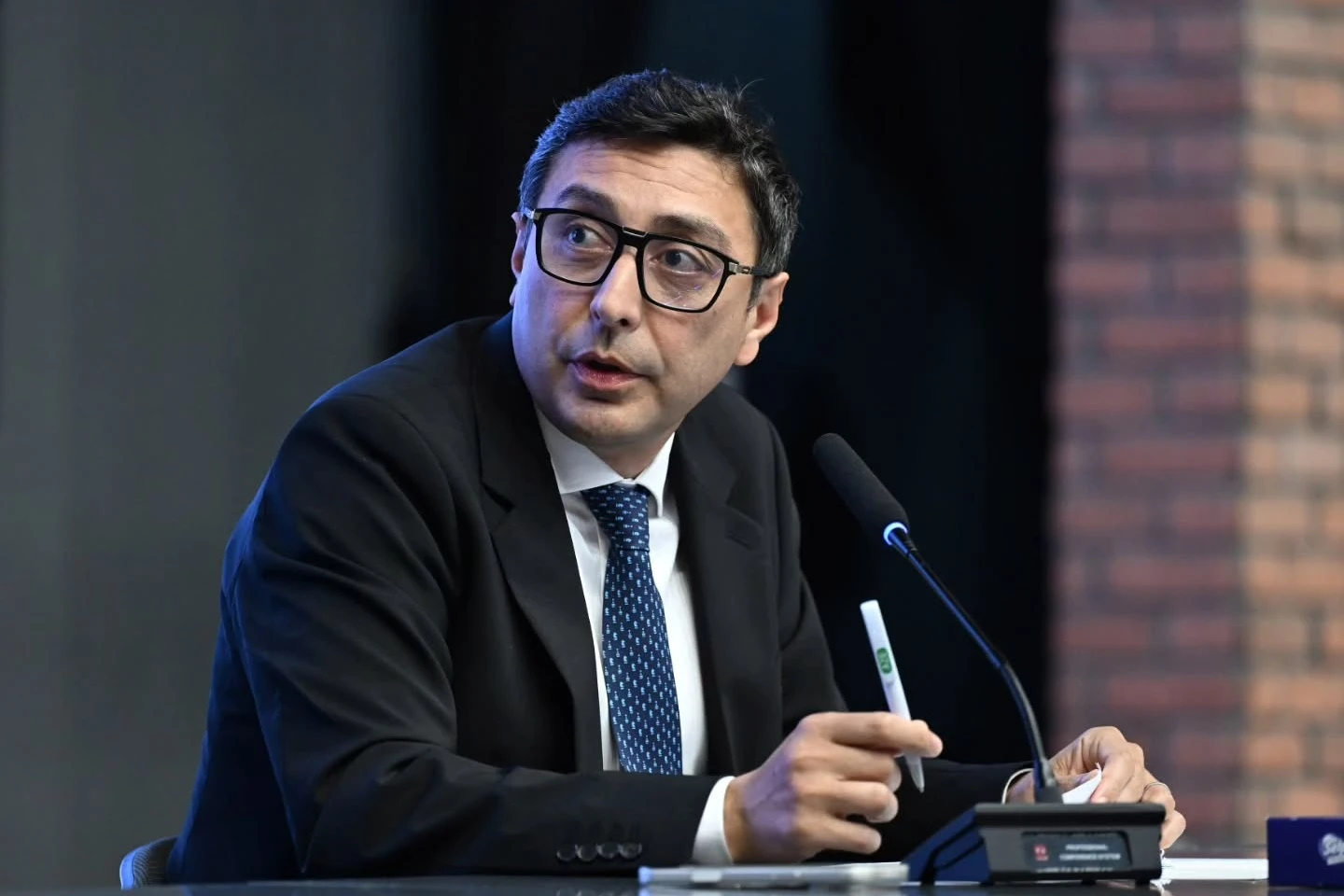
Azerbaijan's Minister of Youth and Sports, Farid Gayibov, has highlighted the country's recent sporting achievements, expanding infrastructure and growing international cooperation, stressing that long-term development must go beyond medals and individual victories.
As reported by İdman.Biz, the minister shared his assessment in the latest edition of his traditional Minister's Perspective column.
"Achievements and results are the visible side of the work carried out in sports and youth policy. The real results are reflected in the people we nurture, the values we develop and the transformation of opportunities into future successes," Gayibov stated.
The minister emphasized the importance of Azerbaijan's growing reputation as an international sporting destination, particularly as Baku holds the title of World Capital of Sport 2026.
He noted that President Ilham Aliyev's attendance at the opening of the World Judo Championships, the opening and closing ceremonies of the FIFA U-15 World Championship and Festival, as well as his meetings with athletes, demonstrated the attention given to sports development.
Gayibov also highlighted the organization of the World Judo and Sumo Championships and the European Aquatics Congress in Baku, describing these events as evidence of Azerbaijan's capacity to host major international competitions.
Turning to sporting achievements, the minister praised Ahmad Yusifov's world title in judo, Amrah Shafiyev's triumph in sumo, Eldaniz Azizli's fifth world championship gold in wrestling and Sanan Suleymanov's victory in an Olympic weight category.
"These achievements once again confirm the potential and traditions of Azerbaijani sport," he said.
Gayibov stressed that developing sports infrastructure remains essential to ensuring that future generations can build on the success of current champions.
He pointed to the renovation of the Republican Olympic Sports Lyceum, including its administrative facilities, classrooms, accommodation and training halls for wrestling and judo.
The minister also welcomed the opening of Ski Center Baku, Go Prime CrossFit and the TT FIGHT gym in Lokbatan, noting that increasing private investment is helping establish new sports clubs and create a more competitive environment.
Regional sports development was another major focus of his remarks.
Gayibov highlighted the progress of Mingachevir's Kur women's handball team to the third qualifying round of the EHF European Cup and Tovuz's Turan women's volleyball team to the third qualifying round of the CEV Champions League.
He also mentioned the participation of Kur's men's handball team in the EHF European Cup and Ganja basketball club in the FIBA Europe Cup group stage.
According to the minister, these achievements provide regional clubs with valuable international experience and help identify new sporting talent outside the capital.
Gayibov also praised the third international Khankendi Ultramarathon, which brought together 97 participants from six countries over a 192-kilometer route through Gabala, Aghdash, Barda, Aghdam and Khankendi.
Another initiative saw approximately 500 participants climb 566 steps at Highland Park in Baku as part of events marking the Restoration of Independence Day.
The minister underlined the importance of international cooperation, referring to meetings with International Sumo Federation President Hakuho Sho, Belarusian National Olympic Committee President Viktor Lukashenko and Rwandan Minister of State for Sports Rwego Ngarambe.
He also discussed cooperation with Indian Minister Mansukh Mandaviya during the 10th Conference of Parties to UNESCO's International Convention Against Doping in Sport in New Delhi.
Addressing youth policy, Gayibov highlighted Azerbaijani participation in international initiatives, including TEKNOFEST 2026, the Caspian Cup intellectual competition and the World Food Forum 2026 in Rome.
He also noted that more than 10,000 young people attended the first GanjlikFest festival in Baku, demonstrating growing interest in social, cultural and educational activities.
Concluding his remarks, Gayibov emphasized that the ultimate purpose of sports and youth policy is to create opportunities for personal development.
"Sport teaches people to set goals, overcome difficulties and work as a team. Youth initiatives encourage independent thinking, creativity and social responsibility. The sustainability of success in both areas depends on turning these opportunities into personal growth and benefits for society," the minister concluded.


